

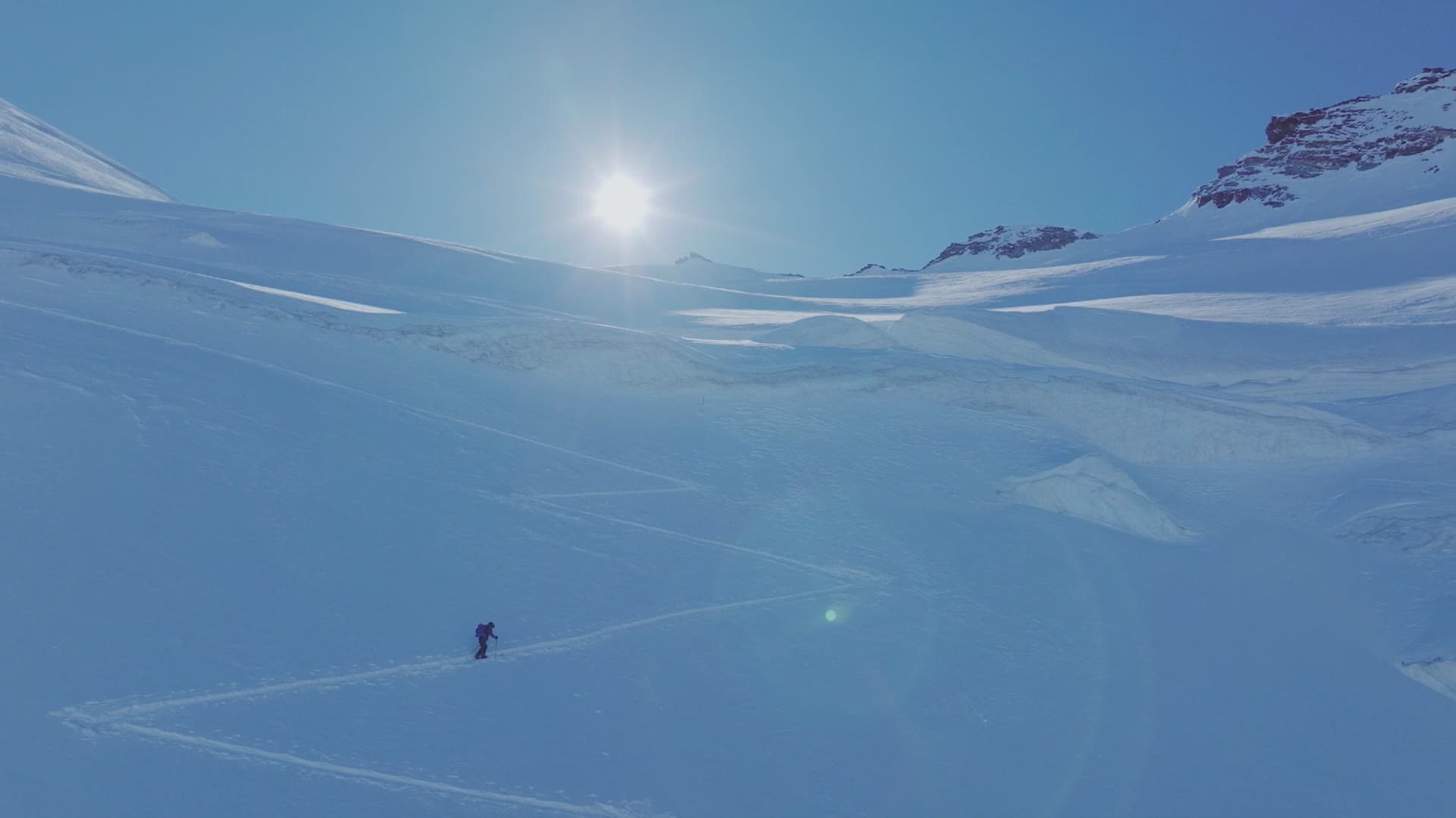
Life is beautiful.
Embrace every breath.






More than an airbag
Two systems, one motion: stay on top, and keep breathing if you don't.
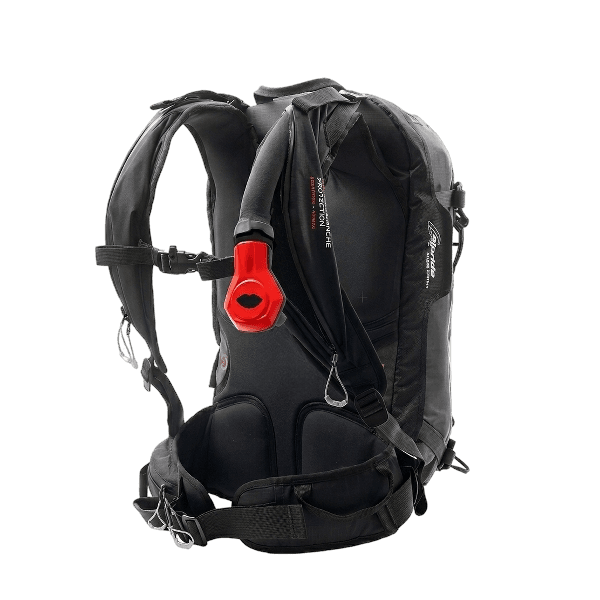
Airbag Module
Deploys on a single pull, reducing burial depth.
Breathing System
Fresh air in from the snowpack, CO₂ out.
Single Trigger
One handle fires both, gloved and blind.

Airbags prevent burial in most cases. When buried, however, inhalation/exhalation separation can greatly extend survival”

Our mission
Airbags keep you near the surface. Nothing keeps you breathing.
1 in 2 people fully buried by an avalanche never come out alive.1
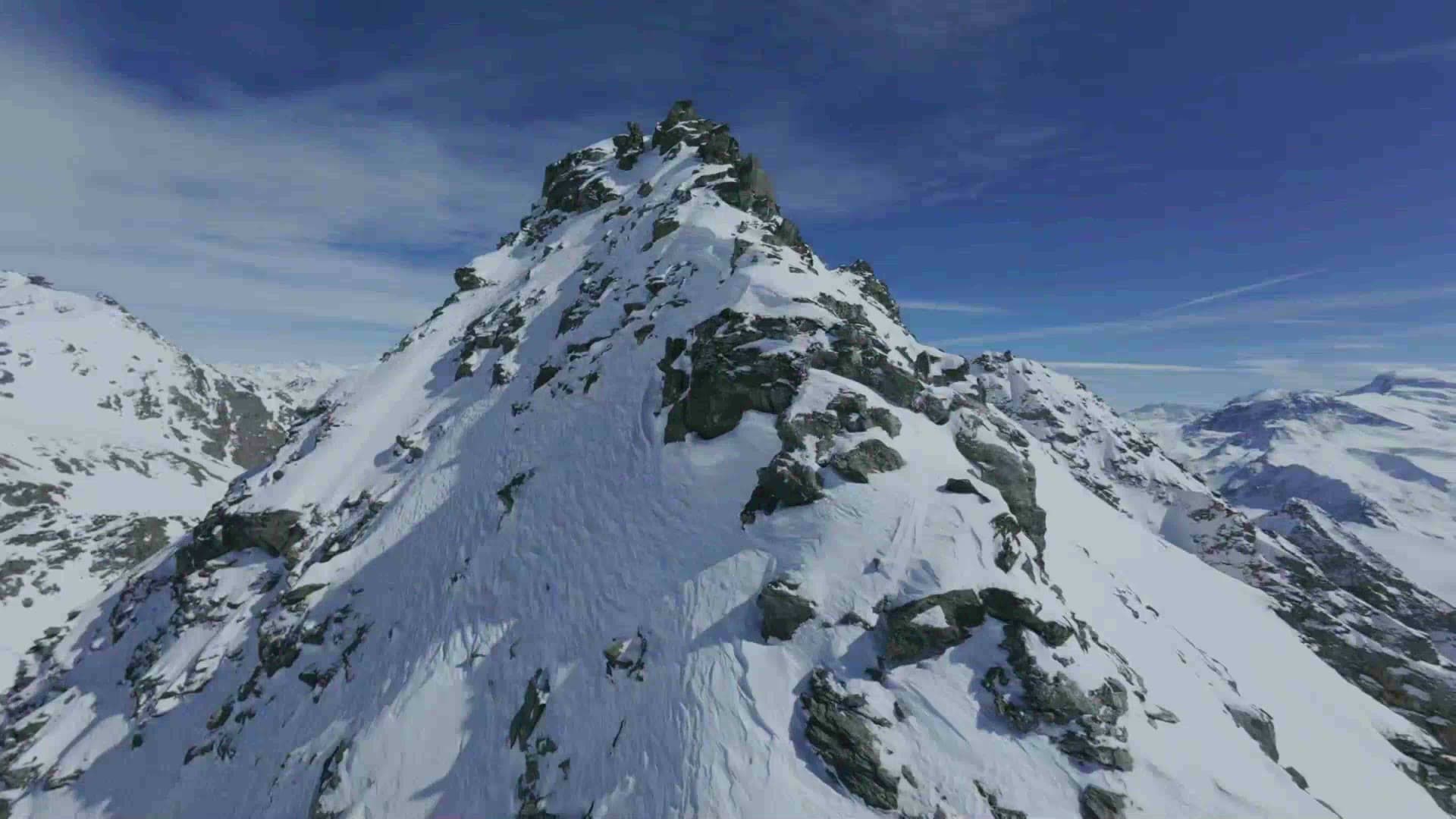
Air runs out before help arrives2
Around three quarters of avalanche deaths are asphyxia, not trauma. Under the debris you rebreathe into a small pocket of your own exhaled air. CO₂ climbs, oxygen falls, and you lose consciousness while your partners are still probing.
Survival after a complete burial drops off sharply past 15 minutes. Finding a victim, probing, and clearing a metre of set debris usually takes longer than that, even when the rescue goes right. That gap is where people die.
Why we built KissOfLife
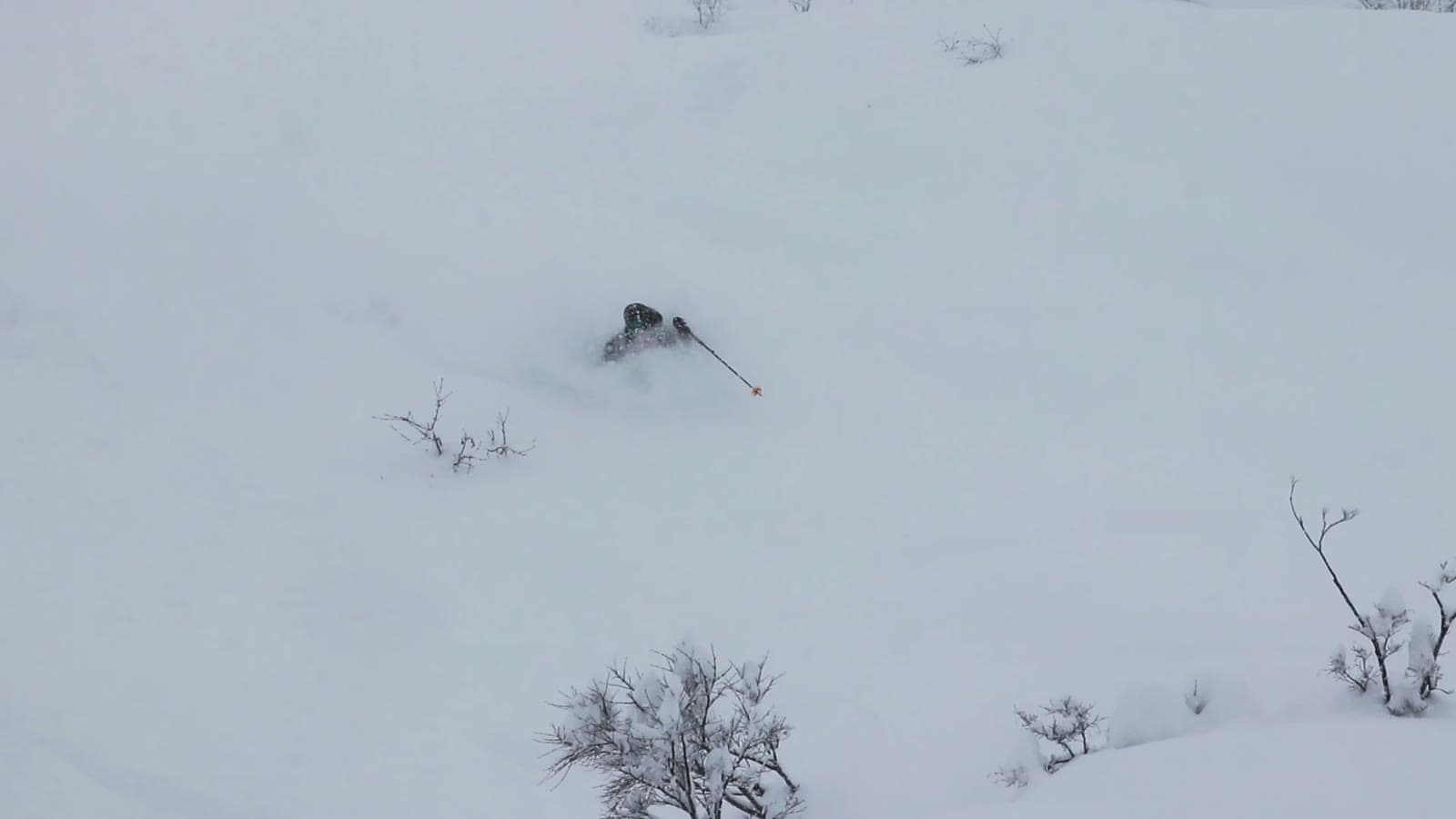
We built KissOfLife because pushing your limits should never mean compromising your chance of coming home.
Most people who die under snow were alive when the slide stopped. What runs out is air. KissOfLife draws breathable air from the snowpack and moves exhaled CO₂ away from the breathing pocket.
Our mission is to develop life-saving technology that gives athletes more time when it matters most, starting with an avalanche backpack that draws breathable air from the snowpack and moves exhaled CO₂ away from the breathing pocket.
Sources
- Brugger, Durrer, Adler-Kastner, Falk, Tschirky, “Field management of avalanche victims,” Resuscitation 51(1) (2001) 7–15. Swiss data: overall mortality 52.4% in completely buried victims versus 4.2% in partially buried.
- ICAR MedCom, on-site treatment recommendations, Resuscitation (2023), doi: 10.1016/j.resuscitation.2023.109708. Asphyxia 65–100% of fatalities across studies, trauma 5–29%, hypothermia 0–4%.

Who we are
We are a team of ETH Zurich engineers, athletes and freeriders who want to make the sports we love safer. Avalanche safety needs more than good technology. It needs to work in real conditions, be shaped by the people who use it, and be a product people actually want to wear. We bring the engineering, the experience and the drive to make it happen.
Why we're here
Avalanche deaths have not fallen in twenty-five years.
Forecasting got better. Beacons got faster. Airbags became standard kit. The toll under the snow has not moved.
Be ready when we drop →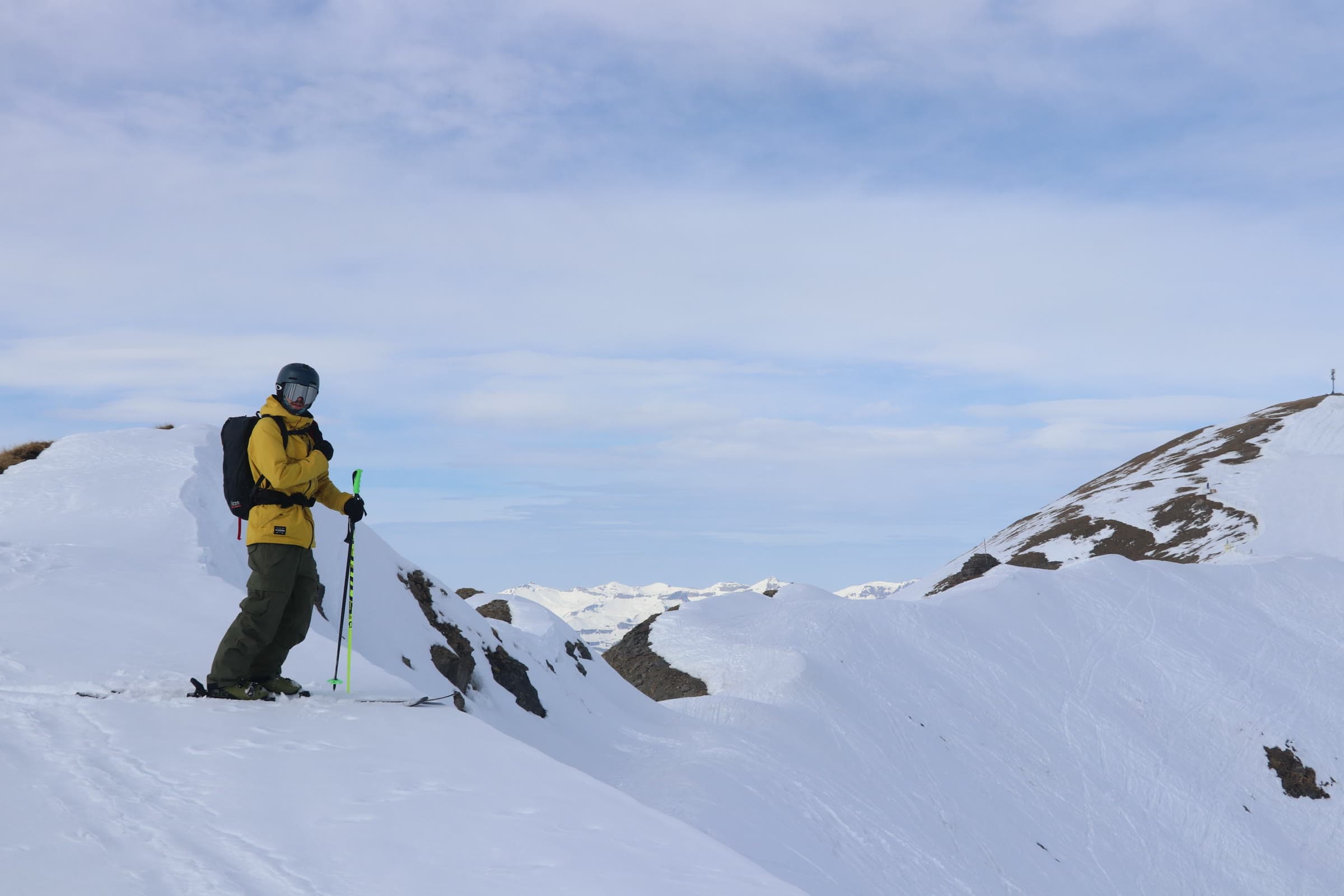
Join the waitlist
Waitlist, investor, partner, or press: one form reaches the team.